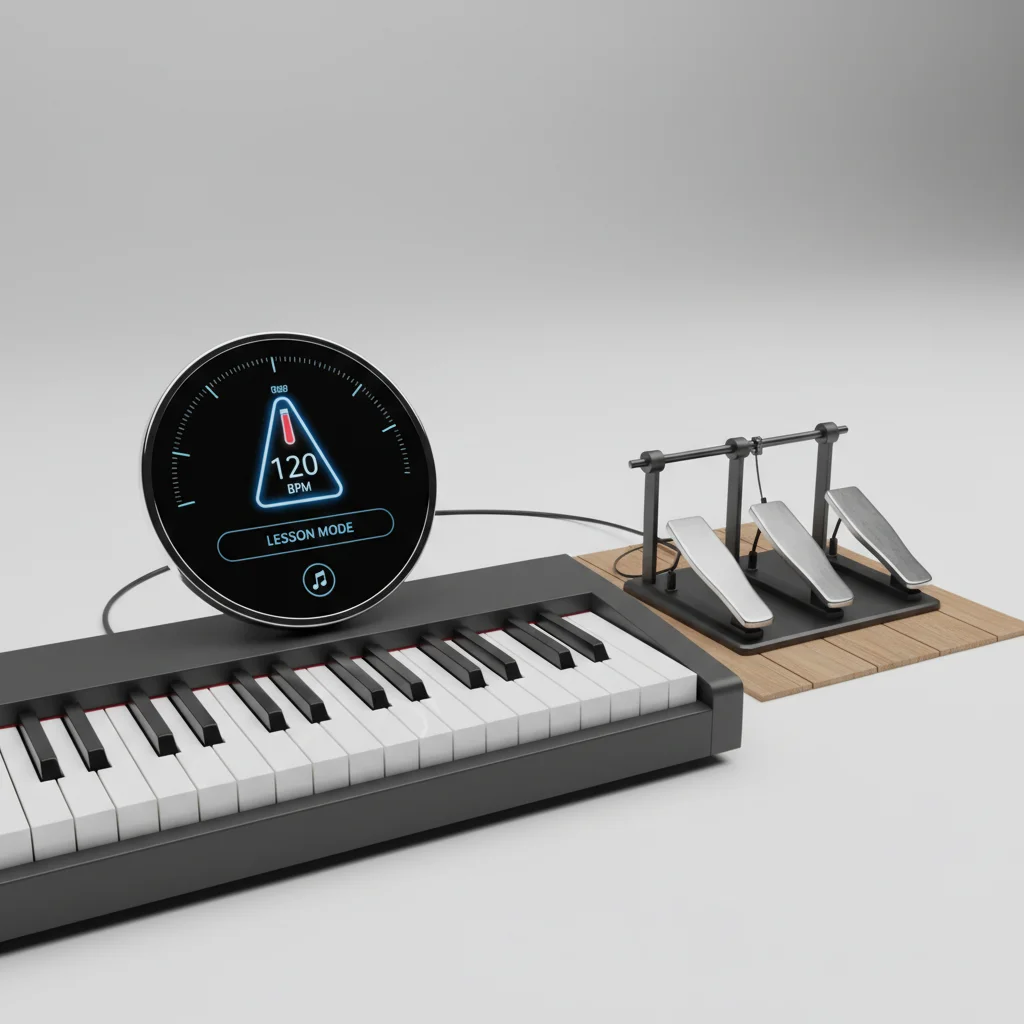
When selecting a digital piano for learning, the most crucial features include weighted hammer action keys, a realistic sound engine, and robust connectivity options. Prioritizing these three elements will significantly impact your progress and enjoyment as you develop your piano skills, ensuring a rewarding and effective experience from the outset.
The Importance of Weighted Hammer Action Keys
For any aspiring pianist, the feel of the keys is paramount. Weighted hammer action keys simulate the resistance and response of an acoustic piano, which is essential for developing proper finger strength and technique. Without this, transitioning to an acoustic instrument or even playing more advanced pieces on a digital piano can be challenging. Look for models that specify ‘graded hammer action’ for an even more authentic feel, where lower notes have more resistance than higher notes.
Many entry-level digital pianos offer semi-weighted or synth-action keys, which, while playable, do not provide the necessary feedback for serious practice. Investing in a piano with full weighted hammer action from the outset will prevent the need for an upgrade later and ensure your practice translates effectively to various piano types. This feature is non-negotiable for long-term learning.
Realistic Sound Engine and Polyphony
A high-quality sound engine is another critical feature. Modern digital pianos use advanced sampling technology to reproduce the rich tones of grand pianos, often including multiple samples for different velocities and resonances. A realistic sound motivates practice and helps develop a keen ear for musicality. Pay attention to the number of voices (polyphony) a piano offers; 128-note polyphony is a good minimum, allowing complex pieces with sustain pedal use to sound full without notes dropping out.
Beyond the primary piano sound, many digital pianos offer a variety of other instrument voices, such as electric pianos, organs, and strings. While these can be fun, prioritize the quality of the main piano sound. Some models also include sympathetic resonance and damper resonance simulations, which add to the realism by mimicking how an acoustic piano’s strings vibrate in response to each other.
Connectivity Options for Modern Learning
|
Our Picks for the Best Digital Piano in 2026
As an Amazon Associate I earn from qualifying purchases.
|
||
| Num | Product | Action |
|---|---|---|
| 1 | Alesis Melody 61 MK4 Keyboard Piano for Beginners with 61 Keys, Speakers, Stand, Bench, Headphones, Tablet/Sheet Music Stand, 300 Sounds and Music Lessons |

|
| 2 | Yamaha P225 88-Key Digital Piano with Weighted Keys, Portable Design, Keyboard, Music Rest, Sustain Foot Switch, and Built-In Speakers, Black (P225B) |
|
| 3 | STRICH 88 Key Digital Piano Foldable Full Size Electric Keyboard with Semi-Weighted Sensitive Keys, Portable Electric Piano Set for Beginner, Bundle with Sustain Pedal, Headphones, Music Rest, SEP-88F |
|
| 4 | 61 keys keyboard piano, Electronic Digital Piano with Built-In Speaker Microphone, Sheet Stand and Power Supply, Portable piano Keyboard Gift Teaching for Beginners |
|
| 5 | Yamaha 88-Key Weighted Portable Digital Piano Keyboard with Music Rest, Sustain Foot Switch, Built-in Speakers, USB Connectivity, Black (P45B) |
|
| 6 | Roland FP-10 | Compact 88-Note Digital Piano | SuperNATURAL Piano Tones | Authentic Acoustic Feel Keyboard | Great for Beginners & Experienced Players | Bluetooth & MIDI Connectivity |
|
| 7 | Rhymo Folding Piano Keyboard, 61 Keys Sensitive Electric Piano, Weighted Portable Electric Keyboards with Bluetooth MIDI, Digital Foldable Keyboard for Beginner (Black) |
|
| 8 | Portable Piano Keyboard, Semi-Weighted Folding Digital Piano 88 Key, Full Size, Wood Grain, Electric Piano Keyboard w/MIDI Bluetooth, Suitable for Adult, Toddler |
|
| 9 | RockJam RJ761 61 Key Keyboard Piano with Keyboard Bench, Digital Piano Stool, Sustain Pedal, Headphones & Lessons |
|
| 10 | Yamaha 88-Key Digital Piano with Weighted Keys, Compact Design, Bluetooth, Keyboard, Music Rest, Sustain Foot Switch, and Built-in Speakers for Home Practice or Travel P145BT |
|
In today’s digital age, connectivity is more important than ever for learning. A digital piano should ideally have USB-to-host connectivity, allowing you to connect it to a computer or tablet for use with educational apps, DAWs (Digital Audio Workstations), and online lessons. MIDI connectivity (either via USB or traditional 5-pin DIN) is also crucial for recording and controlling software instruments.
Additionally, look for headphone jacks for silent practice, which is invaluable for not disturbing others and for focused individual study. Some pianos also offer Bluetooth connectivity for wireless audio streaming or MIDI, further enhancing their versatility. The ability to connect to external speakers or an amplifier via line-out jacks is also beneficial for performances or playing in larger spaces.
Essential Features for Beginners
For beginners, certain features can significantly aid the learning process. A built-in metronome is fundamental for developing rhythm and timing. Many digital pianos also include recording functions, allowing you to listen back to your playing and identify areas for improvement. Some even offer split and layer functions, enabling you to play two different sounds simultaneously or divide the keyboard for duets.
- Built-in metronome for timing practice.
- Recording function to review your progress.
- Split and layer modes for versatility.
- Lesson functions with pre-loaded songs.
- Dual headphone jacks for teacher/student use.
While these features are helpful, they should not overshadow the core elements of key action and sound quality. They are supplementary tools that enhance the learning experience rather than define it.
Features to Consider Less Critical (Initially)
While many digital pianos boast a wide array of features, some are less critical for a beginner’s initial learning phase. An excessive number of instrument voices, complex rhythm patterns, or advanced effects (like deep reverb or chorus settings) might be exciting but often distract from fundamental practice. Similarly, elaborate display screens or touch panels, while aesthetically pleasing, don’t directly contribute to developing piano technique.
Focus your budget on the core components that directly impact playability and sound. You can always explore more advanced features or external accessories as your skills progress and your needs evolve. Prioritizing the essentials ensures you get the most value for your investment in a learning instrument.
Frequently Asked Questions
What are the most important features for a learning digital piano?
The most important features for a learning digital piano are weighted hammer action keys, a realistic sound engine, and robust connectivity options. These elements are crucial for developing proper technique and ensuring an effective practice experience.
Why are weighted hammer action keys essential for learning piano?
Weighted hammer action keys are essential because they simulate the resistance and response of an acoustic piano. This helps develop proper finger strength and technique, which is vital for transitioning to acoustic instruments and playing advanced pieces. Look for 'graded hammer action' for optimal realism.
How many notes of polyphony should a good learning digital piano have?
A good learning digital piano should have at least 128-note polyphony. This minimum ensures that complex pieces, especially those using the sustain pedal, can sound full without notes dropping out, providing a richer and more accurate musical experience.
What connectivity options are important for modern digital piano learning?
Modern digital piano learning benefits greatly from USB-to-host connectivity for educational apps and DAWs, and MIDI connectivity for recording. Headphone jacks are also invaluable for silent practice, and Bluetooth can enhance versatility for wireless audio or MIDI.
Which digital piano features are less critical for beginners?
For beginners, features like an excessive number of instrument voices, complex rhythm patterns, advanced effects, or elaborate display screens are less critical. These can often distract from fundamental practice, and it's better to prioritize core playability and sound quality.
Get our weekly buyer guide
Practical specs, not advice. Unsubscribe anytime.

I’ve been playing on an old keyboard for years and finally decided to upgrade. The difference with weighted hammer action keys is incredible! It feels so much more like a real piano, and my finger strength is already improving. I wish I had invested in one of these sooner, it makes practicing so much more enjoyable.
I was looking for a digital piano that would feel authentic, and the focus on weighted keys really helped me choose. The model I got has an amazing response, and it truly feels like I’m playing an acoustic. It’s made my daily practice sessions so much more engaging and productive. Highly recommend prioritizing that feature!
As a beginner, I really appreciate having a digital piano with graded hammer action. It makes such a difference in how I approach different pieces, and I can tell it’s helping me build proper technique. The sound quality is also fantastic, very rich and full. Definitely a great choice for anyone serious about learning.
I picked up a digital piano based on the recommendation for a realistic sound engine, and while the sound is pretty good, I’m a little disappointed with the connectivity options. I was hoping for more ways to hook it up to my computer for recording, but it’s a bit limited. Still, for the price, it’s a solid instrument for practice.