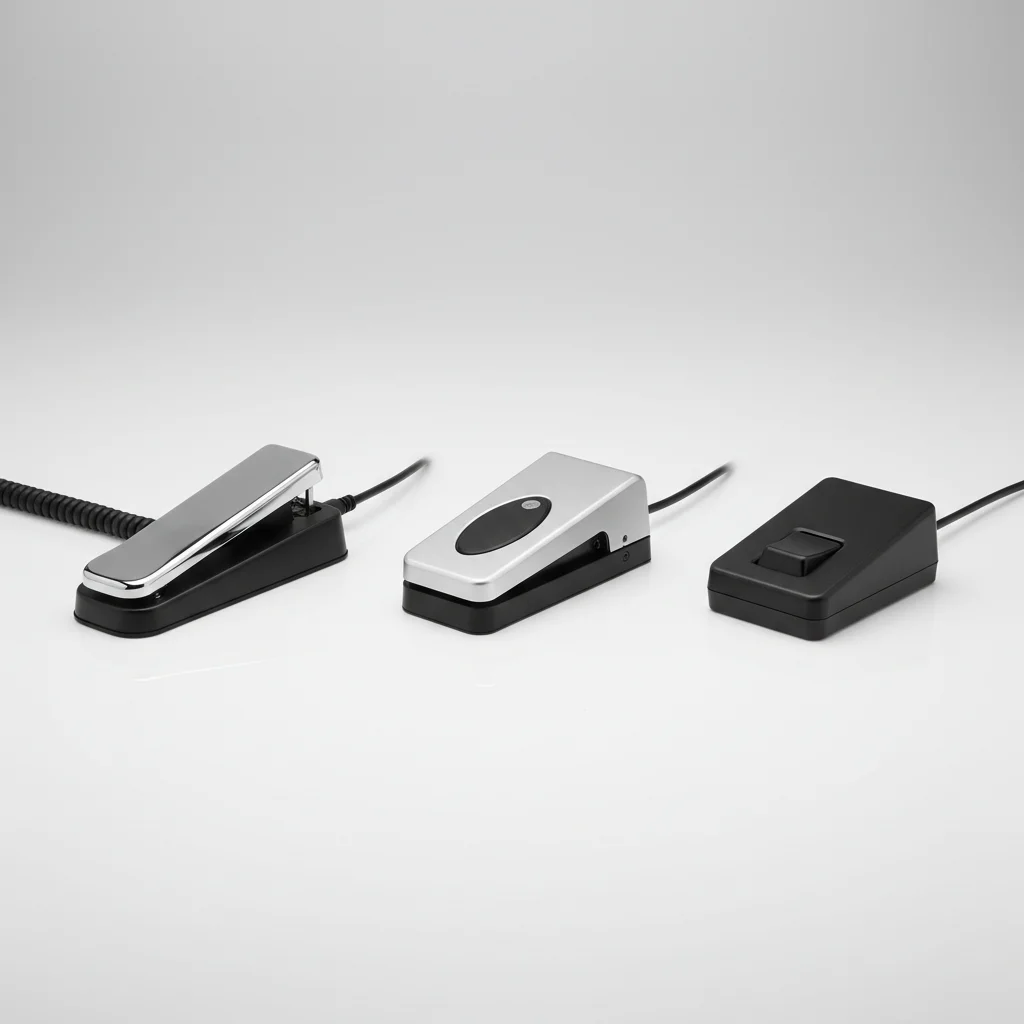
Digital piano sustain pedals are designed to replicate the sustain effect of an acoustic piano, but the degree to which they truly mimic this experience varies significantly across different models and price points. While basic pedals offer a simple on/off sustain, more advanced options provide nuanced half-pedaling capabilities and a more realistic feel, closely approaching the acoustic experience.
Understanding Sustain Pedal Functionality
An acoustic piano’s sustain pedal lifts the dampers from the strings, allowing notes to continue ringing after the keys are released. Digital pianos simulate this by extending the sound decay. Entry-level digital pianos often come with a simple footswitch-style pedal that provides a binary on/off sustain. This is functional for beginners but lacks the expressive control found in an acoustic instrument. For compare top digital pianos on this site.
The Importance of Half-Pedaling
One of the key differences lies in half-pedaling. Acoustic pianos allow for partial depression of the sustain pedal, creating varying degrees of sustain. Many digital pianos, especially those in the mid-range and higher, incorporate this feature. Half-pedaling enables musicians to achieve more subtle and expressive tonal colors, which is crucial for advanced repertoire and nuanced musicality. Without it, pieces requiring delicate sustain effects can sound abrupt or unnatural.
Pedal Feel and Construction
The physical feel of a digital piano sustain pedal also contributes to its realism. Basic pedals are often lightweight plastic, offering little resistance. More premium digital pianos feature pedals with a weighted, metal construction that provides a similar resistance and travel distance to an acoustic piano pedal. This tactile feedback is important for developing proper pedaling technique and muscle memory. Some high-end models even include continuous sensor technology for ultra-fine control.
- Basic footswitch pedals offer simple on/off sustain.
- Continuous sensor pedals allow for half-pedaling.
- Weighted metal pedals provide a more realistic feel.
- Triple pedal units replicate all three acoustic pedals.
- Pedal placement and stability are crucial for comfortable play.
Triple Pedal Units and Their Benefits
|
Our Picks for the Best Digital Piano in 2026
As an Amazon Associate I earn from qualifying purchases.
|
||
| Num | Product | Action |
|---|---|---|
| 1 | Rhymo Folding Piano Keyboard, 61 Keys Sensitive Electric Piano, Weighted Portable Electric Keyboards with Bluetooth MIDI, Digital Foldable Keyboard for Beginner (Black) |

|
| 2 | Alesis Melody 61 MK4 Keyboard Piano for Beginners with 61 Keys, Speakers, Stand, Bench, Headphones, Tablet/Sheet Music Stand, 300 Sounds and Music Lessons |
|
| 3 | Yamaha 88-Key Weighted Portable Digital Piano Keyboard with Music Rest, Sustain Foot Switch, Built-in Speakers, USB Connectivity, Black (P45B) |
|
| 4 | Yamaha P225 88-Key Digital Piano with Weighted Keys, Portable Design, Keyboard, Music Rest, Sustain Foot Switch, and Built-In Speakers, Black (P225B) |
|
| 5 | 61 keys keyboard piano, Electronic Digital Piano with Built-In Speaker Microphone, Sheet Stand and Power Supply, Portable piano Keyboard Gift Teaching for Beginners |
|
| 6 | STRICH 88 Key Digital Piano Foldable Full Size Electric Keyboard with Semi-Weighted Sensitive Keys, Portable Electric Piano Set for Beginner, Bundle with Sustain Pedal, Headphones, Music Rest, SEP-88F |
|
| 7 | Portable Piano Keyboard, Semi-Weighted Folding Digital Piano 88 Key, Full Size, Wood Grain, Electric Piano Keyboard w/MIDI Bluetooth, Suitable for Adult, Toddler |
|
| 8 | Roland FP-10 | Compact 88-Note Digital Piano | SuperNATURAL Piano Tones | Authentic Acoustic Feel Keyboard | Great for Beginners & Experienced Players | Bluetooth & MIDI Connectivity |
|
| 9 | Yamaha 88-Key Digital Piano with Weighted Keys, Compact Design, Bluetooth, Keyboard, Music Rest, Sustain Foot Switch, and Built-in Speakers for Home Practice or Travel P145BT |
|
| 10 | RockJam RJ761 61 Key Keyboard Piano with Keyboard Bench, Digital Piano Stool, Sustain Pedal, Headphones & Lessons |
|
Many digital pianos, particularly console models, come with a triple pedal unit that includes sustain, sostenuto, and soft pedals, just like an acoustic grand piano. While the sustain pedal is the most frequently used, the sostenuto and soft pedals offer additional expressive possibilities. The sostenuto pedal sustains only the notes held down at the moment of activation, while the soft pedal reduces the volume and alters the timbre. For serious students and performers, having all three pedals is essential for practicing and performing a wide range of classical and contemporary music.
Connecting External Sustain Pedals
If your digital piano comes with a basic sustain pedal, you can often upgrade to a more advanced external pedal. Most digital pianos have a standard 1/4-inch jack for connecting a sustain pedal. When choosing an external pedal, look for one that supports half-pedaling if your digital piano has that capability. Compatibility is key, so always check the specifications of both your piano and the pedal to ensure they will work together seamlessly. A high-quality external pedal can significantly enhance the playing experience without needing to replace the entire instrument.
Conclusion: Bridging the Gap
While no digital piano sustain pedal can perfectly replicate the complex mechanical nuances of an acoustic piano, modern technology has significantly narrowed the gap. For beginners, a basic sustain pedal is sufficient. However, for intermediate and advanced players, investing in a digital piano or an external pedal that offers half-pedaling and a realistic feel will provide a much more authentic and expressive playing experience, closely mimicking the dynamic control of an acoustic instrument.
Get our weekly buyer guide
Practical specs, not advice. Unsubscribe anytime.

As a beginner, I didn’t realize how much the sustain pedal could impact my playing. I just used the simple on/off one that came with my entry-level digital piano. Now I understand why my teacher kept talking about ‘nuance.’ I’m excited to try out a model with more advanced sustain capabilities to see if it improves my technique.
This was super helpful in understanding why some pedals feel so much better than others. I always thought it was just me! I’m glad to know that the more advanced options really do make a difference in replicating the acoustic experience. I’m definitely going to look for a piano with a better pedal next time.
I appreciate the breakdown of how sustain pedals work. While the information on half-pedaling was good, I still feel like even the best digital piano pedals don’t quite capture the full resonance of an acoustic. It’s close, but there’s still a noticeable difference in the decay of the sound, especially on longer notes. Good for practice, but not perfect.
I’ve always wondered about the difference in sustain pedals, and this really cleared things up. My old digital piano just had that basic footswitch, and I could never get the expressive control I wanted. Upgrading to a model with half-pedaling has made a huge difference in how my pieces sound. It feels so much closer to playing an acoustic now.