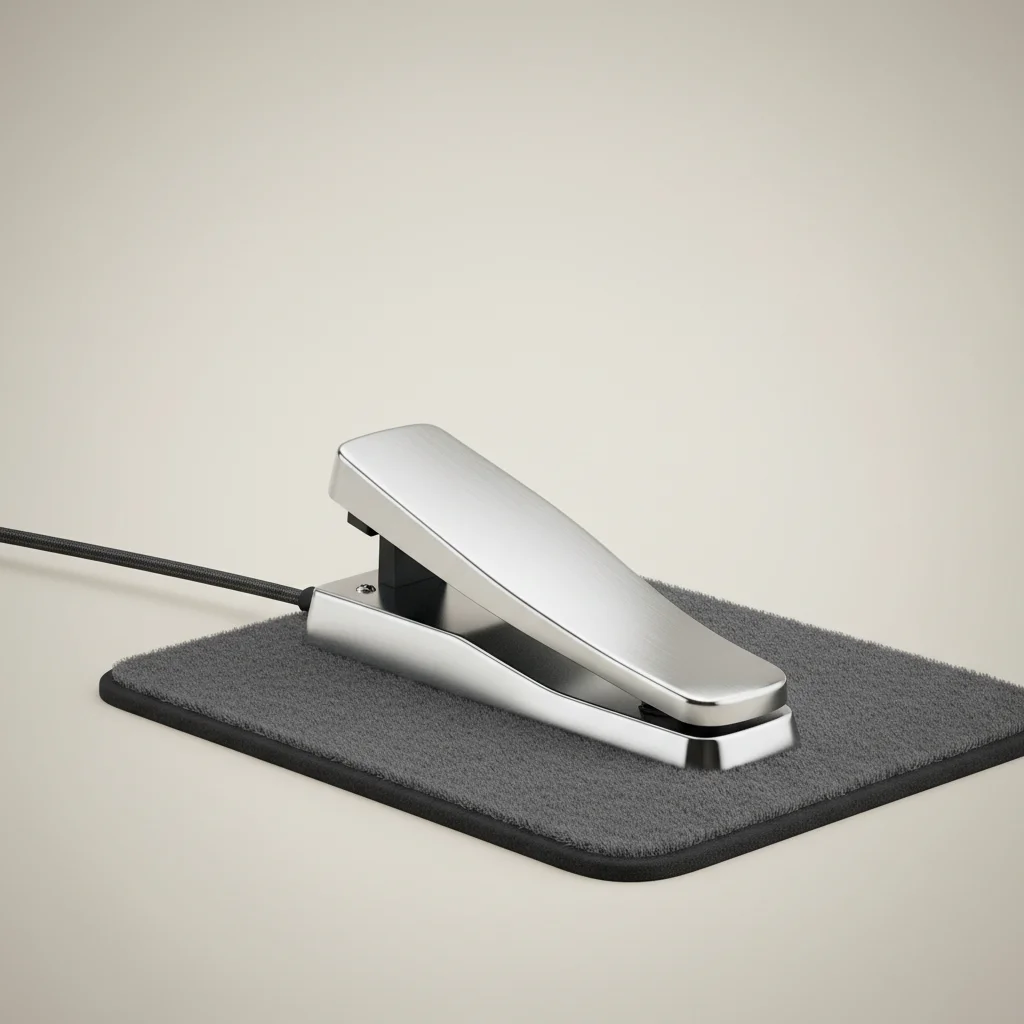
The digital piano sustain pedal is designed to replicate the sustain effect of an acoustic piano, but it doesn’t always achieve a perfect mimicry. While most digital pianos offer a sustain pedal that holds notes, the nuance and decay characteristics can vary significantly. High-quality digital pianos often feature a continuous or half-pedaling sustain, which more closely emulates the gradual release of an acoustic piano’s damper system, offering a more expressive playing experience.
Understanding Sustain Pedal Functionality
On an acoustic piano, the sustain pedal (or damper pedal) lifts all the dampers off the strings, allowing them to vibrate freely until the pedal is released. This creates a rich, resonant sound that gradually fades. Digital pianos simulate this effect electronically. Basic digital pianos typically offer an on/off sustain, meaning the sound is either fully sustained or not at all. More advanced models incorporate continuous sustain, which senses the degree to which the pedal is pressed, allowing for subtle variations in sustain length and intensity.
The quality of the sustain pedal itself also plays a role. Many entry-level digital pianos come with a simple, footswitch-style pedal. Upgrading to a piano-style pedal with a more robust mechanism can significantly improve the feel and responsiveness, even if the digital piano’s internal processing still offers only basic sustain.
Half-Pedaling: Bridging the Gap
Half-pedaling is a crucial feature for advanced players seeking a more authentic acoustic piano experience. It allows for partial lifting of the dampers, creating a sustain effect that is neither fully on nor fully off. This enables greater control over the decay of notes and chords, adding depth and expressiveness to musical passages. Not all digital pianos support half-pedaling, and among those that do, the sensitivity and realism can differ. Look for models that explicitly mention continuous or half-pedal support in their specifications.
Factors Affecting Sustain Realism
|
Our Picks for the Best Digital Piano in 2026
As an Amazon Associate I earn from qualifying purchases.
|
||
| Num | Product | Action |
|---|---|---|
| 1 | STRICH 88 Key Digital Piano Foldable Full Size Electric Keyboard with Semi-Weighted Sensitive Keys, Portable Electric Piano Set for Beginner, Bundle with Sustain Pedal, Headphones, Music Rest, SEP-88F |

|
| 2 | Rhymo Folding Piano Keyboard, 61 Keys Sensitive Electric Piano, Weighted Portable Electric Keyboards with Bluetooth MIDI, Digital Foldable Keyboard for Beginner (Black) |
|
| 3 | Yamaha P225 88-Key Digital Piano with Weighted Keys, Portable Design, Keyboard, Music Rest, Sustain Foot Switch, and Built-In Speakers, Black (P225B) |
|
| 4 | Yamaha 88-Key Weighted Portable Digital Piano Keyboard with Music Rest, Sustain Foot Switch, Built-in Speakers, USB Connectivity, Black (P45B) |
|
| 5 | Roland FP-10 | Compact 88-Note Digital Piano | SuperNATURAL Piano Tones | Authentic Acoustic Feel Keyboard | Great for Beginners & Experienced Players | Bluetooth & MIDI Connectivity |
|
| 6 | RockJam RJ761 61 Key Keyboard Piano with Keyboard Bench, Digital Piano Stool, Sustain Pedal, Headphones & Lessons |
|
| 7 | Alesis Melody 61 MK4 Keyboard Piano for Beginners with 61 Keys, Speakers, Stand, Bench, Headphones, Tablet/Sheet Music Stand, 300 Sounds and Music Lessons |
|
| 8 | 61 keys keyboard piano, Electronic Digital Piano with Built-In Speaker Microphone, Sheet Stand and Power Supply, Portable piano Keyboard Gift Teaching for Beginners |
|
| 9 | Portable Piano Keyboard, Semi-Weighted Folding Digital Piano 88 Key, Full Size, Wood Grain, Electric Piano Keyboard w/MIDI Bluetooth, Suitable for Adult, Toddler |
|
| 10 | Yamaha 88-Key Digital Piano with Weighted Keys, Compact Design, Bluetooth, Keyboard, Music Rest, Sustain Foot Switch, and Built-in Speakers for Home Practice or Travel P145BT |
|
Several factors contribute to how realistic a digital piano’s sustain pedal feels and sounds. The quality of the piano’s sound engine is paramount; a more sophisticated engine can better model the complex decay characteristics of acoustic piano strings. The type of pedal included or supported is also important. A dedicated, three-pedal unit often provides a more integrated and realistic experience than a single, standalone pedal. Finally, the speakers or headphones used can influence the perceived realism of the sustain, as they reproduce the subtle nuances of the sound.
- Sound Engine Quality: Advanced engines better simulate natural decay.
- Pedal Type: Continuous or half-pedal support offers more control.
- Speaker/Headphone Quality: Affects the reproduction of sustain nuances.
- Polyphony: Higher polyphony prevents notes from cutting off prematurely.
- Damper Resonance Simulation: Adds realism by simulating sympathetic vibrations.
Choosing the Right Sustain Pedal for Your Digital Piano
When selecting a digital piano, consider the sustain pedal’s capabilities as part of the overall package. If expressive playing is a priority, prioritize models that offer continuous or half-pedaling. Many manufacturers also offer optional, higher-quality pedals or three-pedal units that can be purchased separately. These often provide a more stable and authentic feel than the basic pedals included with some instruments. Always check compatibility before purchasing an aftermarket pedal.
Maintenance and Troubleshooting
Sustain pedals are generally robust, but occasional issues can arise. If your digital piano sustain pedal isn’t working, first check the connection to the piano. Ensure it’s fully plugged in and that the correct pedal input is being used (some pianos have multiple pedal jacks). If the pedal feels sticky or unresponsive, it might need cleaning or lubrication, though this is less common with digital piano pedals than with acoustic ones. In rare cases, a faulty cable or internal component might require professional repair or replacement.
Get our weekly buyer guide
Practical specs, not advice. Unsubscribe anytime.
