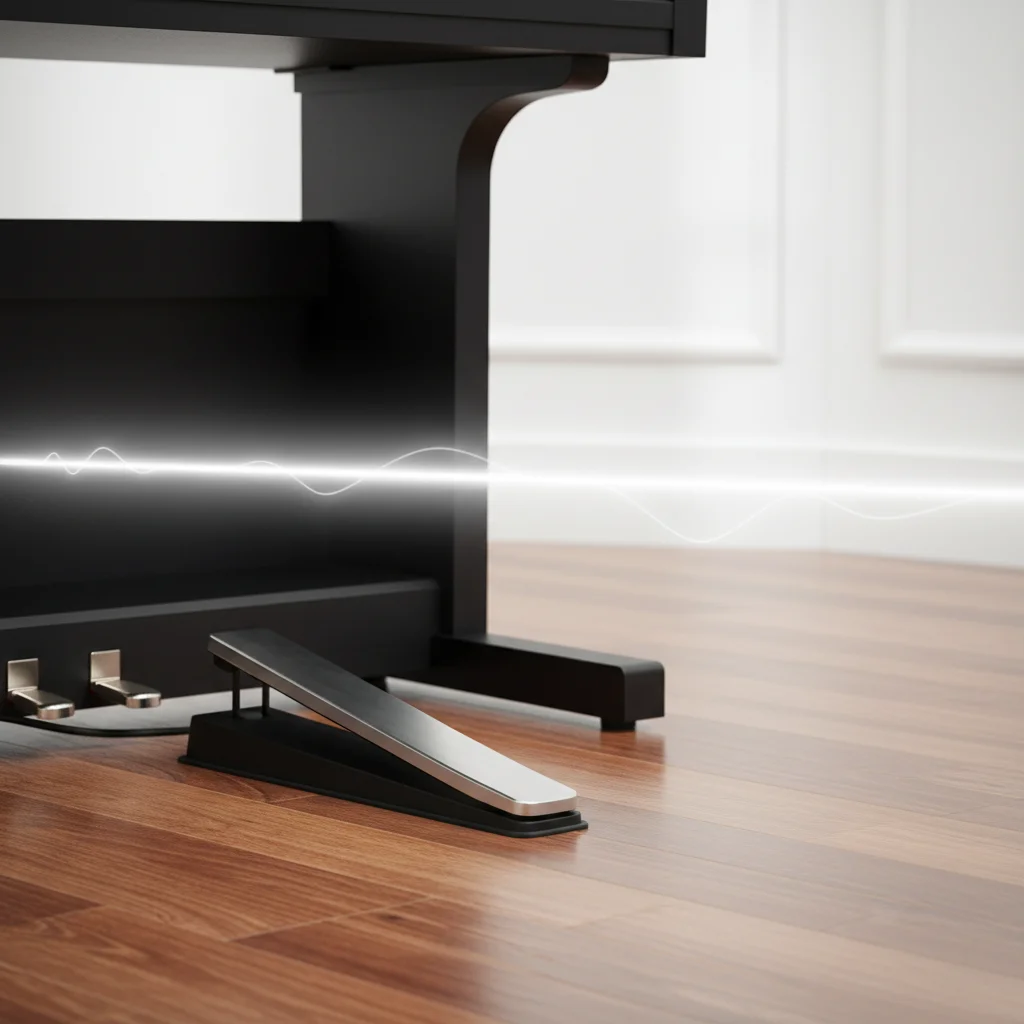
The sustain on a digital piano should typically last between 10 to 20 seconds for a single note played at a moderate volume, mimicking the natural decay of an acoustic piano. This duration can vary based on the specific instrument’s sampling quality, the sustain pedal’s design, and the chosen sound preset. Understanding the factors that influence sustain helps players appreciate the nuances of their digital instrument.
What Influences Digital Piano Sustain Length?
Several key factors contribute to how long a digital piano’s sustain lasts. The most significant is the quality of the sound samples used by the manufacturer. High-end digital pianos often employ multi-layered samples with longer, more natural decay characteristics, capturing the complex resonance of an acoustic grand piano. Budget models might use shorter samples that loop, which can result in a less natural-sounding sustain that fades more abruptly.
Another crucial element is the sustain pedal itself. Basic on/off pedals provide a simple sustain effect, while more advanced continuous or half-pedaling pedals allow for nuanced control over the sustain length and intensity. The quality of the pedal’s sensor directly impacts its ability to translate your foot’s pressure into varying sustain levels.
The Role of Polyphony and DSP in Sustain
Polyphony, the number of notes a digital piano can sound simultaneously, indirectly affects sustain. While not directly controlling sustain length, higher polyphony ensures that sustained notes don’t cut off prematurely when many other notes are played. Digital Signal Processing (DSP) effects, such as reverb and sympathetic resonance, also play a significant role. Reverb can artificially extend the perceived sustain by adding an ambient tail to the sound, while sympathetic resonance simulates the vibrations of unplayed strings on an acoustic piano, enriching the overall sustain effect.
Adjusting Sustain Settings on Your Digital Piano
|
Our Picks for the Best Digital Piano in 2026
As an Amazon Associate I earn from qualifying purchases.
|
||
| Num | Product | Action |
|---|---|---|
| 1 | Yamaha 88-Key Weighted Portable Digital Piano Keyboard with Music Rest, Sustain Foot Switch, Built-in Speakers, USB Connectivity, Black (P45B) |

|
| 2 | RockJam RJ761 61 Key Keyboard Piano with Keyboard Bench, Digital Piano Stool, Sustain Pedal, Headphones & Lessons |
|
| 3 | Roland FP-10 | Compact 88-Note Digital Piano | SuperNATURAL Piano Tones | Authentic Acoustic Feel Keyboard | Great for Beginners & Experienced Players | Bluetooth & MIDI Connectivity |
|
| 4 | Rhymo Folding Piano Keyboard, 61 Keys Sensitive Electric Piano, Weighted Portable Electric Keyboards with Bluetooth MIDI, Digital Foldable Keyboard for Beginner (Black) |
|
| 5 | 61 keys keyboard piano, Electronic Digital Piano with Built-In Speaker Microphone, Sheet Stand and Power Supply, Portable piano Keyboard Gift Teaching for Beginners |
|
| 6 | STRICH 88 Key Digital Piano Foldable Full Size Electric Keyboard with Semi-Weighted Sensitive Keys, Portable Electric Piano Set for Beginner, Bundle with Sustain Pedal, Headphones, Music Rest, SEP-88F |
|
| 7 | Yamaha 88-Key Digital Piano with Weighted Keys, Compact Design, Bluetooth, Keyboard, Music Rest, Sustain Foot Switch, and Built-in Speakers for Home Practice or Travel P145BT |
|
| 8 | Portable Piano Keyboard, Semi-Weighted Folding Digital Piano 88 Key, Full Size, Wood Grain, Electric Piano Keyboard w/MIDI Bluetooth, Suitable for Adult, Toddler |
|
| 9 | Yamaha P225 88-Key Digital Piano with Weighted Keys, Portable Design, Keyboard, Music Rest, Sustain Foot Switch, and Built-In Speakers, Black (P225B) |
|
| 10 | Alesis Melody 61 MK4 Keyboard Piano for Beginners with 61 Keys, Speakers, Stand, Bench, Headphones, Tablet/Sheet Music Stand, 300 Sounds and Music Lessons |
|
Many digital pianos offer adjustable settings that can influence sustain. Some models allow users to modify the decay time for certain voices, providing a customizable experience. Experimenting with different presets and effects, particularly reverb, can dramatically alter the perceived sustain. For instance, a ‘hall’ reverb setting will typically create a longer, more expansive sustain than a ‘room’ setting. Consult your instrument’s manual to explore available options for fine-tuning your sustain preferences.
- Check the instrument’s sound preset for specific decay parameters.
- Experiment with different reverb types and levels.
- Ensure your sustain pedal is fully functional and properly connected.
- Consider a continuous sustain pedal for more nuanced control.
- Update firmware if available, as it can sometimes improve sound engine performance.
Comparing Sustain Across Different Digital Piano Brands
The quality and length of sustain can vary considerably between different digital piano brands and models. Brands like Yamaha and Kawai are renowned for their realistic acoustic piano samples and advanced sustain pedal technologies, often incorporating features like damper resonance modeling. Roland also excels in this area with its SuperNATURAL Piano Engine, which aims to reproduce the full tonal behavior of an acoustic piano, including its complex sustain characteristics. Casio’s AiR Sound Source in their Privia and Celviano lines also offers impressive sustain realism for their price points. When evaluating a digital piano, paying close attention to how the sustain sounds and feels is essential for a satisfying playing experience.For a deeper dive into specific models and their sustain capabilities, consider exploring detailed reviews and demonstrations.
Maintaining Your Sustain Pedal for Optimal Performance
Proper maintenance of your sustain pedal is crucial for consistent performance. Regularly check the cable for any damage or fraying, as this can lead to intermittent sustain issues. Keep the pedal clean and free of dust and debris, which can interfere with its internal mechanisms. If you experience issues like a sticky pedal or inconsistent sustain, try cleaning around the pivot points. For more complex problems, consulting a qualified technician or the manufacturer’s support is advisable. A well-maintained pedal ensures your digital piano’s sustain functions as intended, providing a seamless and expressive playing experience.
Get our weekly buyer guide
Practical specs, not advice. Unsubscribe anytime.

Finally, someone explains digital piano sustain clearly! I’ve been frustrated with how some cheaper models handle it, and the explanation about looped samples versus natural decay is spot on. It really highlights why investing in a better quality instrument makes a difference for that authentic acoustic feel. My Kawai CA99 has incredible sustain, and now I understand why.
I’ve always wondered about the sustain on my Yamaha P-45. It’s a budget model, and I noticed the sustain wasn’t as long as I’d like, especially compared to an acoustic. This really helped me understand why that is, and it makes sense now with the shorter samples. Still a great piano for the price, but good to know what to expect.
This was super helpful! I’ve been looking at upgrading to a high-end digital piano, and the mention of multi-layered samples with longer decay characteristics really caught my eye. I play a lot of classical pieces where sustain is crucial, so knowing to look for that in the specs is a game-changer. My current pedal design isn’t the best, so I’ll be paying attention to that too.
I found the information about sustain duration being 10 to 20 seconds interesting. My Roland FP-30X sometimes feels like it’s on the shorter end of that, even with a good pedal. It’s a solid instrument for practice, but I do wish the sustain was a bit more robust for certain pieces. Maybe it’s just the sound preset I’m using.