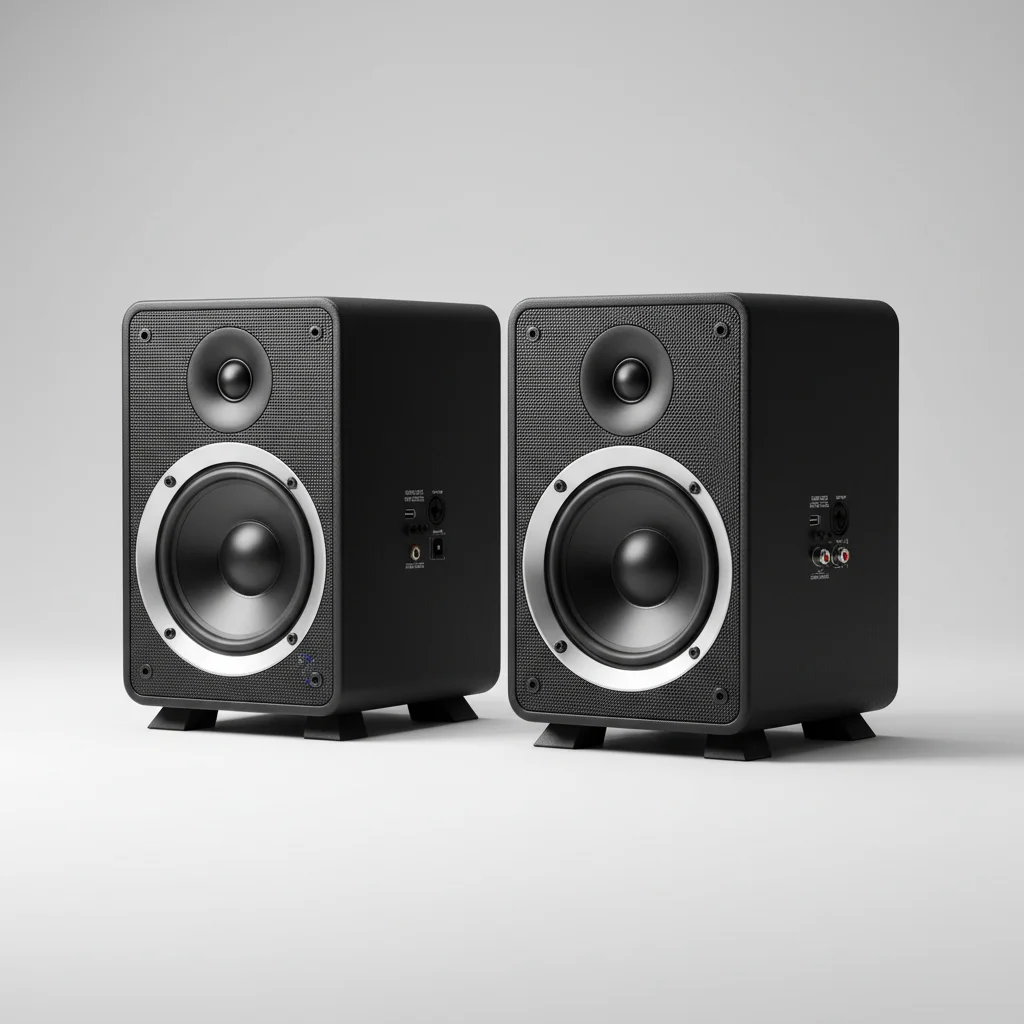
The speakers in your digital piano play a significant role in its overall sound quality, often more than many players realize. While the sound engine generates the tones, it’s the speakers that translate those digital signals into audible vibrations. A high-quality speaker system can dramatically enhance the richness, clarity, and dynamic range of your instrument, making a noticeable difference in your playing experience.
Understanding Digital Piano Speaker Technology
Digital pianos typically employ a combination of woofers and tweeters to reproduce the full spectrum of piano sounds. Woofers handle the lower frequencies, providing the depth and resonance of bass notes, while tweeters are responsible for the crispness and brilliance of higher notes. The size and quality of these individual components, along with the amplifier’s power output, directly impact the instrument’s sonic capabilities. Some advanced models even feature multiple speakers strategically placed to create a more immersive, spatial soundfield. For shop curated digital pianos on this site.
The enclosure design also plays a crucial role. A well-designed cabinet can enhance bass response and minimize unwanted vibrations, leading to a cleaner, more accurate sound. Conversely, a poorly designed enclosure can result in muddy bass or harsh treble, detracting from the overall musicality.
The Impact of Speaker Placement and Room Acoustics
Even the best digital piano speakers can be hindered by improper placement or challenging room acoustics. Placing your digital piano against a wall can sometimes enhance bass frequencies, while placing it in the center of a large, empty room might lead to a thinner sound. Hard surfaces like tile floors and bare walls can cause sound reflections, making the audio seem bright or echoey. Conversely, soft furnishings, carpets, and curtains can absorb sound, potentially making the instrument sound dull.
Experimenting with the piano’s position and considering acoustic treatments, even simple ones like adding a rug, can significantly improve the perceived sound quality. Many players find that angling the piano slightly or ensuring there’s some space around it allows the sound to project more naturally.
When External Speakers Become Necessary
|
Our Picks for the Best Digital Piano in 2026
As an Amazon Associate I earn from qualifying purchases.
|
||
| Num | Product | Action |
|---|---|---|
| 1 | Yamaha P225 88-Key Digital Piano with Weighted Keys, Portable Design, Keyboard, Music Rest, Sustain Foot Switch, and Built-In Speakers, Black (P225B) |

|
| 2 | 61 keys keyboard piano, Electronic Digital Piano with Built-In Speaker Microphone, Sheet Stand and Power Supply, Portable piano Keyboard Gift Teaching for Beginners |
|
| 3 | Roland FP-10 | Compact 88-Note Digital Piano | SuperNATURAL Piano Tones | Authentic Acoustic Feel Keyboard | Great for Beginners & Experienced Players | Bluetooth & MIDI Connectivity |
|
| 4 | Yamaha 88-Key Digital Piano with Weighted Keys, Compact Design, Bluetooth, Keyboard, Music Rest, Sustain Foot Switch, and Built-in Speakers for Home Practice or Travel P145BT |
|
| 5 | Rhymo Folding Piano Keyboard, 61 Keys Sensitive Electric Piano, Weighted Portable Electric Keyboards with Bluetooth MIDI, Digital Foldable Keyboard for Beginner (Black) |
|
| 6 | Portable Piano Keyboard, Semi-Weighted Folding Digital Piano 88 Key, Full Size, Wood Grain, Electric Piano Keyboard w/MIDI Bluetooth, Suitable for Adult, Toddler |
|
| 7 | Yamaha 88-Key Weighted Portable Digital Piano Keyboard with Music Rest, Sustain Foot Switch, Built-in Speakers, USB Connectivity, Black (P45B) |
|
| 8 | Alesis Melody 61 MK4 Keyboard Piano for Beginners with 61 Keys, Speakers, Stand, Bench, Headphones, Tablet/Sheet Music Stand, 300 Sounds and Music Lessons |
|
| 9 | STRICH 88 Key Digital Piano Foldable Full Size Electric Keyboard with Semi-Weighted Sensitive Keys, Portable Electric Piano Set for Beginner, Bundle with Sustain Pedal, Headphones, Music Rest, SEP-88F |
|
| 10 | RockJam RJ761 61 Key Keyboard Piano with Keyboard Bench, Digital Piano Stool, Sustain Pedal, Headphones & Lessons |
|
While built-in speakers are convenient, there are scenarios where external amplification becomes essential. For performers playing in larger venues, or for those who simply desire a more powerful and expansive sound for home practice, connecting to external monitors or a PA system is a common solution. This allows for greater volume, often superior fidelity, and the ability to tailor the sound to specific acoustic environments.
Studio musicians or those who frequently record will also benefit from high-quality studio monitors, which offer a flat frequency response crucial for accurate mixing and mastering. These monitors are designed to reproduce sound as faithfully as possible, without coloring the audio, which is vital for critical listening.
Factors to Consider for Speaker Quality
- Wattage: Higher wattage generally means more headroom and less distortion at louder volumes.
- Speaker Size: Larger woofers can often produce deeper, more resonant bass.
- Number of Speakers: More speakers, especially with dedicated tweeters, can create a richer, more detailed sound.
- Amplifier Quality: A clean, powerful amplifier is essential for driving the speakers effectively.
- Cabinet Design: The material and construction of the piano’s enclosure impact resonance and sound projection.
Upgrading Your Digital Piano’s Sound
If you’re not satisfied with your digital piano’s built-in sound, there are several avenues to explore before considering a new instrument. As mentioned, external speakers or headphones can make a world of difference. High-quality studio headphones, for instance, can reveal nuances in the sound that might be lost through the internal speakers, offering a private, immersive experience.
Additionally, some digital pianos offer line-out connections, allowing you to bypass the internal speakers entirely and connect to a dedicated amplifier and speaker system. This can be a cost-effective way to significantly upgrade your sound without replacing your entire instrument, especially if you are happy with the keyboard action and sound engine.
Get our weekly buyer guide
Practical specs, not advice. Unsubscribe anytime.
