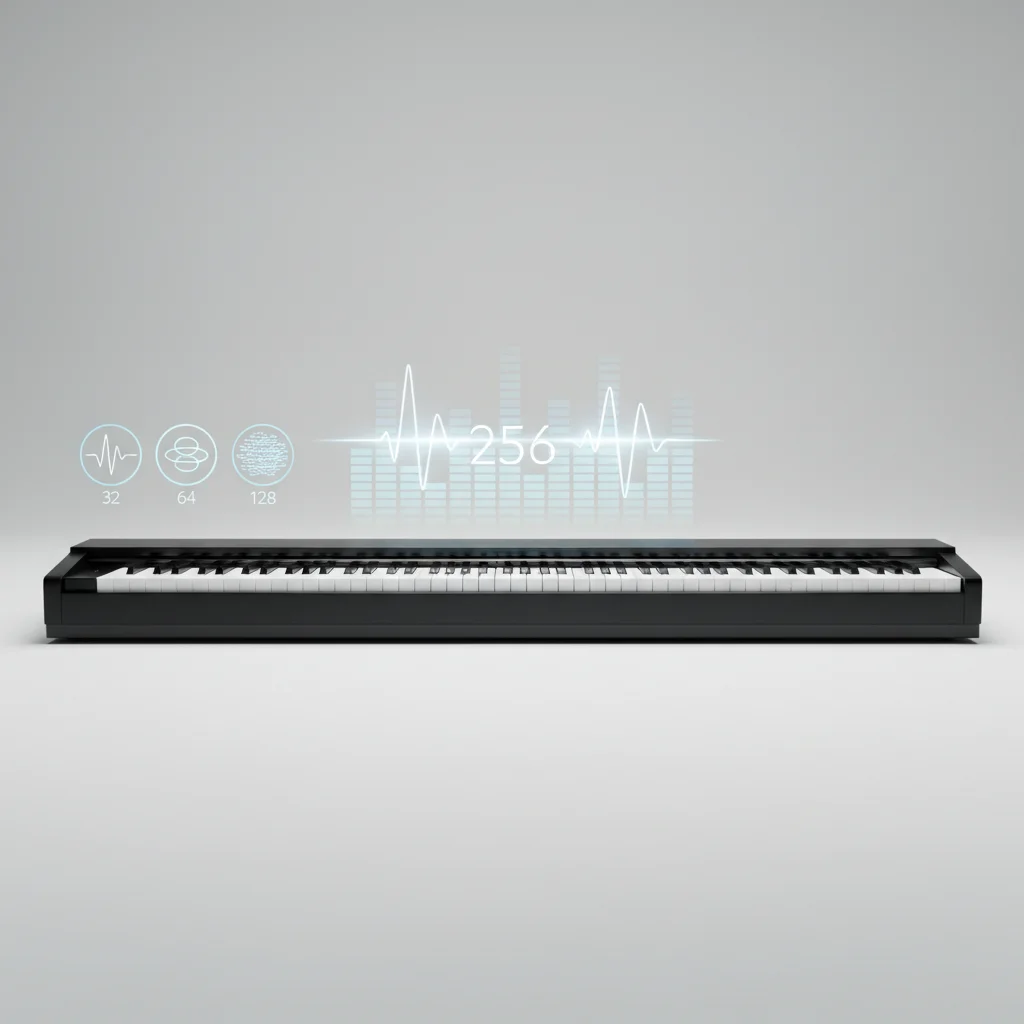
Digital piano polyphony refers to the maximum number of individual notes a digital piano can produce simultaneously. For most players, a polyphony count of 64 notes is a good starting point, while more advanced players or those using complex layering might benefit from 128 notes or more. This capability is crucial because it dictates how many sounds can be active at once, including sustained notes, layered sounds, and even effects. Understanding your polyphony needs ensures your music sounds full and uninterrupted, preventing notes from cutting off prematurely.
What is Digital Piano Polyphony and Why Does it Matter?
Polyphony is essentially the processing power of your digital piano’s sound engine. Each note played, each sustain pedal press, and each layered sound consumes a portion of this polyphony. If you play a chord with the sustain pedal down, those notes continue to occupy polyphony slots even after your fingers leave the keys. When the polyphony limit is reached, the oldest notes will be cut off to make room for new ones, leading to an unnatural and often jarring sound. This is particularly noticeable in pieces with many sustained chords or when using multiple instrument voices simultaneously.
Common Polyphony Counts and Their Ideal Users
Digital pianos typically offer polyphony counts ranging from 32 to 256 notes. A 32-note polyphony is generally only suitable for very basic practice and simple melodies, as it can quickly become limiting. For beginners and intermediate players, 64-note polyphony is often sufficient for most classical and contemporary pieces, allowing for sustained chords and some basic layering without significant issues. However, if you plan to play complex classical pieces with heavy pedaling, layer multiple instrument sounds, or use advanced features like split keyboards, a 128-note polyphony or higher is highly recommended. Professional musicians or those involved in music production often opt for 192 or 256 notes to ensure maximum flexibility and sound quality.
- 32-Note Polyphony: Best for absolute beginners playing simple, single-voice melodies.
- 64-Note Polyphony: Good for most beginners and intermediate players, handling sustained chords and light layering.
- 128-Note Polyphony: Ideal for advanced players, complex classical pieces, and moderate sound layering.
- 192-256+ Note Polyphony: Recommended for professional musicians, music producers, and those requiring extensive sound layering and effects.
How Layering and Effects Impact Polyphony
|
Our Picks for the Best Digital Piano in 2026
As an Amazon Associate I earn from qualifying purchases.
|
||
| Num | Product | Action |
|---|---|---|
| 1 | Alesis Melody 61 MK4 Keyboard Piano for Beginners with 61 Keys, Speakers, Stand, Bench, Headphones, Tablet/Sheet Music Stand, 300 Sounds and Music Lessons |

|
| 2 | Yamaha 88-Key Weighted Portable Digital Piano Keyboard with Music Rest, Sustain Foot Switch, Built-in Speakers, USB Connectivity, Black (P45B) |
|
| 3 | Yamaha 88-Key Digital Piano with Weighted Keys, Compact Design, Bluetooth, Keyboard, Music Rest, Sustain Foot Switch, and Built-in Speakers for Home Practice or Travel P145BT |
|
| 4 | STRICH 88 Key Digital Piano Foldable Full Size Electric Keyboard with Semi-Weighted Sensitive Keys, Portable Electric Piano Set for Beginner, Bundle with Sustain Pedal, Headphones, Music Rest, SEP-88F |
|
| 5 | RockJam RJ761 61 Key Keyboard Piano with Keyboard Bench, Digital Piano Stool, Sustain Pedal, Headphones & Lessons |
|
| 6 | 61 keys keyboard piano, Electronic Digital Piano with Built-In Speaker Microphone, Sheet Stand and Power Supply, Portable piano Keyboard Gift Teaching for Beginners |
|
| 7 | Yamaha P225 88-Key Digital Piano with Weighted Keys, Portable Design, Keyboard, Music Rest, Sustain Foot Switch, and Built-In Speakers, Black (P225B) |
|
| 8 | Rhymo Folding Piano Keyboard, 61 Keys Sensitive Electric Piano, Weighted Portable Electric Keyboards with Bluetooth MIDI, Digital Foldable Keyboard for Beginner (Black) |
|
| 9 | Roland FP-10 | Compact 88-Note Digital Piano | SuperNATURAL Piano Tones | Authentic Acoustic Feel Keyboard | Great for Beginners & Experienced Players | Bluetooth & MIDI Connectivity |
|
| 10 | Portable Piano Keyboard, Semi-Weighted Folding Digital Piano 88 Key, Full Size, Wood Grain, Electric Piano Keyboard w/MIDI Bluetooth, Suitable for Adult, Toddler |
|
When you layer two sounds, such as piano and strings, each note you play consumes two polyphony slots. For example, a three-note chord with two layered sounds would use six polyphony slots. Similarly, certain digital piano effects, like reverb or chorus, can sometimes consume additional processing power, indirectly affecting the available polyphony. While modern digital pianos are efficient, it’s important to consider how your playing style and feature usage will impact the demand on the polyphony engine. Always test a digital piano with the types of pieces and sounds you intend to use most frequently.
Testing Polyphony Before You Buy
The best way to determine your ideal polyphony is to try out different digital pianos. Play a complex piece with heavy pedaling and layered sounds on models with varying polyphony counts. Listen carefully for any notes cutting off prematurely. If you frequently use the sustain pedal, play a series of arpeggios or chords while holding the pedal down to see how many notes can ring out before new ones start to disappear. Consider your future needs as well; if you anticipate progressing to more complex music or experimenting with sound design, investing in higher polyphony now can save you from needing an upgrade later. Many manufacturers will list the polyphony count prominently in their specifications, so always check this detail before making a purchase decision.
Does Higher Polyphony Always Mean Better Sound?
While higher polyphony prevents notes from dropping out, it doesn’t directly equate to better sound quality in terms of tone or realism. Sound quality is primarily determined by the quality of the samples used and the digital piano’s sound engine. However, sufficient polyphony ensures that the high-quality sounds you’ve chosen can be fully expressed without interruption. A digital piano with excellent samples but low polyphony will still sound compromised if notes are constantly being cut off. Therefore, it’s a balance: you need good sound samples AND enough polyphony to handle your playing style to achieve the best overall musical experience.
Get our weekly buyer guide
Practical specs, not advice. Unsubscribe anytime.

I appreciate the explanation of polyphony, but I still feel a bit confused about how much I personally need. I play jazz and often use complex voicings, but I don’t really layer sounds. It would have been nice to see a few more examples of specific playing styles and their recommended polyphony counts beyond just ‘beginner’ and ‘advanced.’ My current piano has 64 notes and it feels just okay.
I thought polyphony was just a marketing gimmick, but after reading this, I totally get it. The explanation about how layered sounds and even effects consume polyphony was a real eye-opener. I’m looking at a new digital piano for my home studio, and now I know to prioritize one with higher polyphony to ensure my recordings sound professional and uninterrupted.
This was super helpful in understanding why my cheap digital piano sometimes sounded ‘thin.’ I didn’t realize that even the sustain pedal uses up polyphony. I’m mostly a beginner, so knowing that 64 notes is a good starting point helps me narrow down my options without overspending. Definitely keeping this in mind for my next purchase.
I’ve always wondered about polyphony and this really cleared things up. I play a lot of classical pieces with sustained chords and layering, and I noticed my old piano sometimes cut off notes. Upgrading to one with 128 notes of polyphony made a huge difference. My music sounds so much richer and fuller now, exactly as it should.